
Dry Eye Treatment
Dry Eye Treatment in Houston, TX
At Brassell Eye Care, we use advanced tools to understand what’s behind your symptoms and guide treatment that actually fits your needs. Our approach is steady, clear, and focused on relief that lasts.

A Calm, Clinical Approach to Chronic Dry Eye
Dry eye can feel like a minor inconvenience at first, until it becomes a persistent part of your day. We help patients find long-term relief through careful evaluation and tailored treatment. Whether your symptoms are recent or ongoing, we offer real answers and a path forward that’s backed by experience and supported by advanced tools.
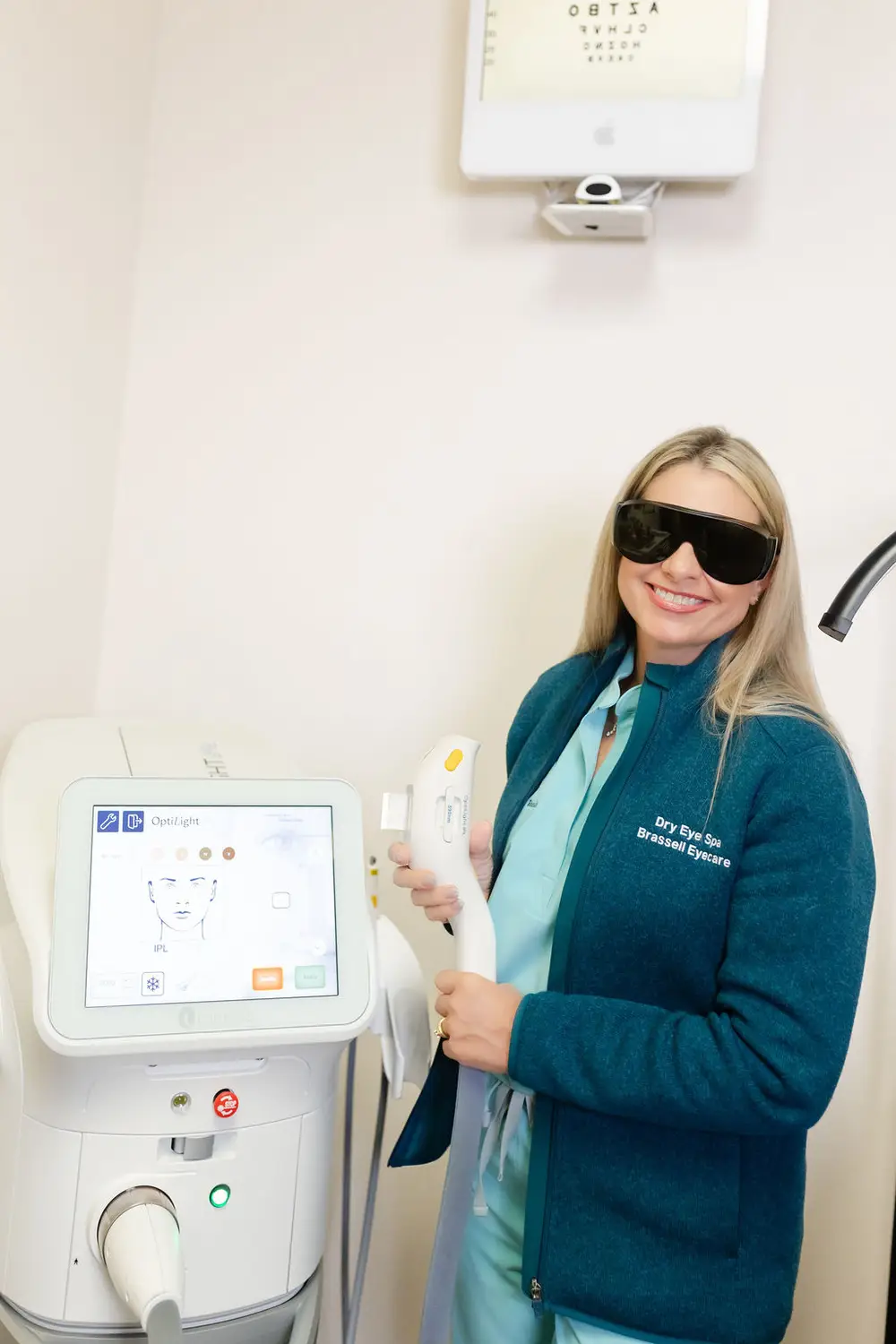
What’s Causing Your Dry Eye?
Dry eye disease occurs when the eyes don’t produce enough quality tears or when tears evaporate too quickly. This can leave the eye's surface unprotected, leading to discomfort, blurred vision, and irritation. Common causes include:
Age-related tear production changes
Inflammation of the eyelid margins (meibomian gland dysfunction)
Environmental factors like air conditioning or screen time
Certain medications or systemic conditions
Seasonal or environmental allergies that trigger itching, redness, and increased tear evaporation
Dry Eye Symptoms We Commonly See
Patients often report symptoms like:
A burning or gritty sensation
Intermittent blurry vision
Redness or eye fatigue
Light sensitivity
Watery eyes (yes, this is a common dry eye symptom)
These symptoms can come and go, which makes dry eye easy to overlook until it starts interfering with daily life. The sooner we identify the underlying issue, the more options we have to manage it effectively.
How We Diagnose Dry Eye at Brassell Eye Care
We use several diagnostic tools to evaluate the type and severity of your dry eye condition:
Meibox meibography to evaluate meibomian gland structure.
Slit-lamp exam to assess the tear film and the corneal surface.
Patient history and lifestyle review to identify contributing factors.
This detailed evaluation allows us to determine whether your dry eye is evaporative, inflammatory, or due to other causes, and to recommend a treatment plan accordingly.
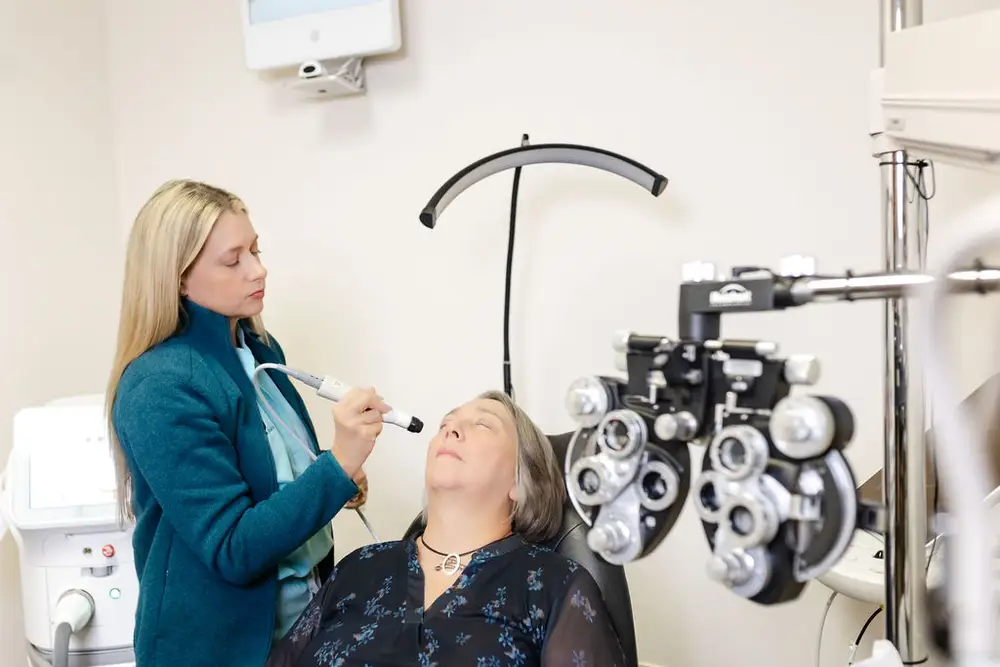
Dry Eye Treatment Options Offered In-Office
Our clinic in Houston provides several non-surgical dry eye therapies, all supported by leading technology:
OptiLight IPL (Intense Pulsed Light): Targets inflammation and improves gland function for evaporative dry eye.
OptiLift RF (Radiofrequency Therapy): Gently heats and stimulates oil-producing glands to restore tear balance.
Punctal plugs: Small inserts placed in the tear ducts to reduce tear drainage.
Lid hygiene support: Including warm compresses, in-office cleanings, and lid scrubs (Optase, Mize).
Preservative-free lubricating drops: For daily symptom support.
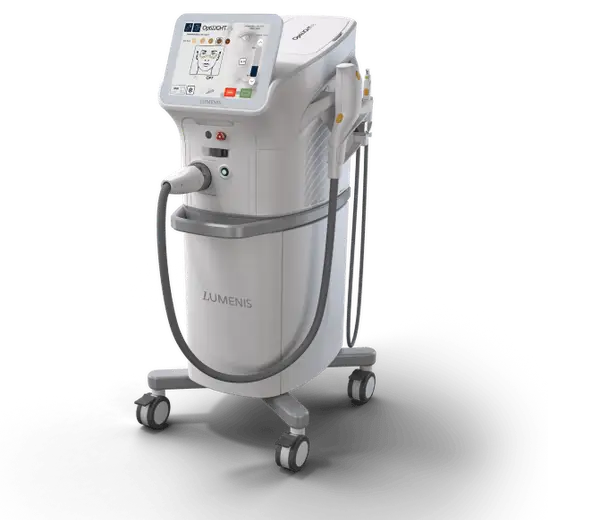
OptiLight IPL: Light-Based Relief for Inflammatory Dry Eye
For patients with dry eye linked to inflammation or meibomian gland dysfunction, OptiLight IPL offers a non-invasive, in-office treatment that targets the root cause rather than just the symptoms. Using gentle pulses of light around the eyes, this technology reduces inflammation, improves oil gland function, and helps stabilize the tear film. The procedure is quick, well-tolerated, and performed in a series of treatments that build toward longer-lasting relief. If you’ve tried drops or warm compresses without results, IPL may be a helpful next step.
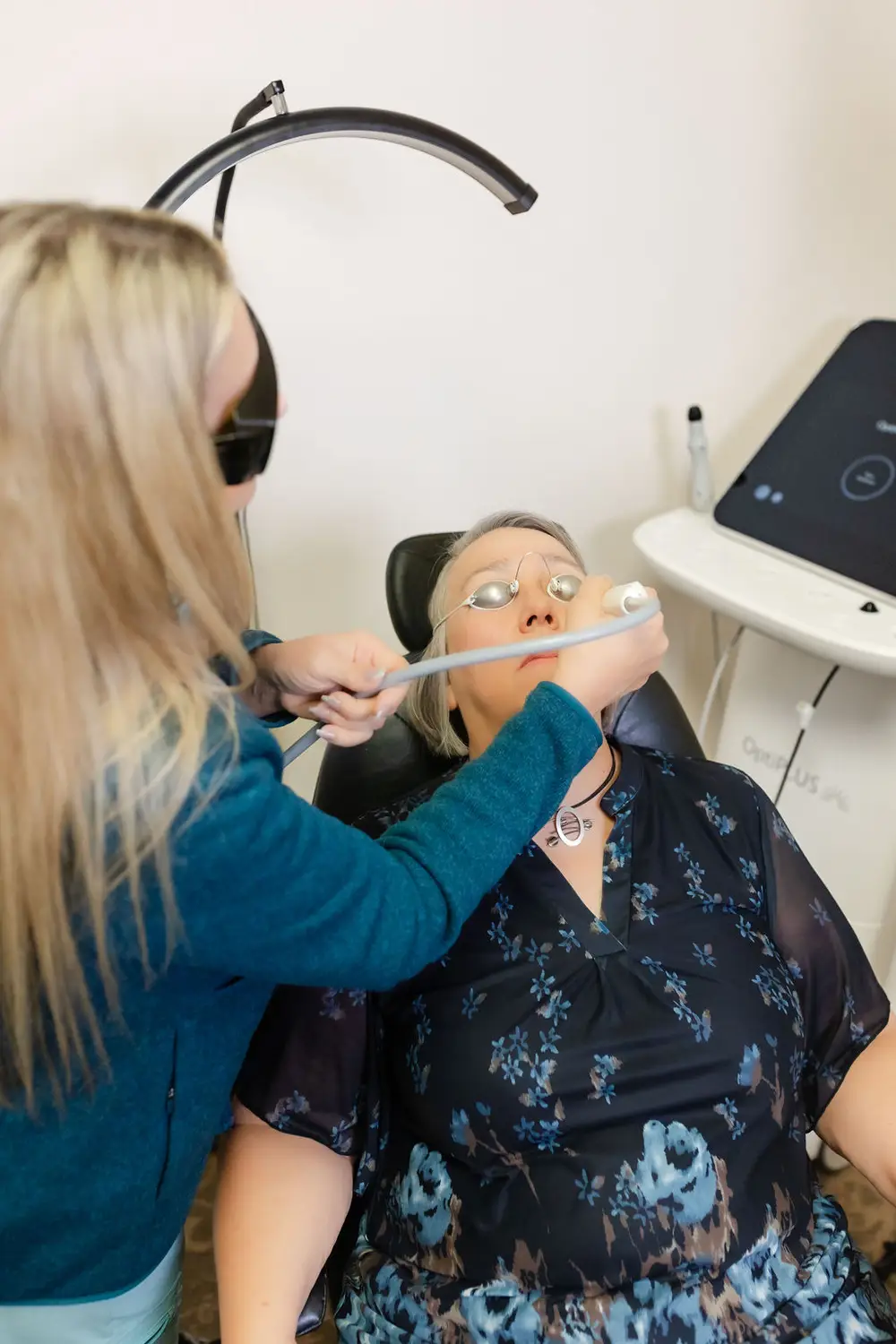
For patients with dry eye linked to inflammation or meibomian gland dysfunction, OptiLift RF: Gentle Heat Therapy to Support Long-Term Tear Stability
OptiLift RF uses radiofrequency energy to gently warm the tissue around the eyes, helping stimulate the meibomian glands that produce the oils needed for a stable tear film.
This treatment is especially helpful for patients with evaporative dry eye caused by blocked or underactive oil glands. In addition to improving tear quality, it can also support eyelid function and overall comfort. Treatments are quick, comfortable, and performed in-office, often as part of a personalized care plan that includes other therapies.
As we age, the delicate muscles around the eyes can weaken—leading to eyelid laxity, reduced tone, and incomplete blinking that may contribute to dry eye symptoms. At Brassell Eye Care in Houston, OptiLIFT uses advanced Dynamic Muscle Stimulation (DMSt) to gently activate and strengthen these muscles, improving eyelid function while enhancing the appearance of the lower eyelids. This non-invasive treatment helps Houston patients achieve better blink efficiency, improved tear distribution, and a more refreshed, youthful look.
For many patients, OptiLift RF provides an additional layer of support in managing chronic dry eye.
Schedule a Consultation to Find Dry Eye Relief
We’ve seen many patients come to us after trying to manage dry eye on their own for months or years. Often, they’ve cycled through drops or been told their symptoms were normal. What they’re looking for is a better understanding of what’s happening, and a plan they can trust.
Helpful Articles
article_category: restorative
article_category: vision therapy
article_category: contact lenses
article_category: health
article_category: conditions
article_category: eye surgery co-management
article_category: exotic
article_category: cosmetic
article_category: products
article_category: psychiatry
article_category: faqs
article_category: cats
article_category: general
article_category: services
article_category: technology
article_category: dogs
article_category: surgical procedures
article_category: aesthetics
article_category: preventative
article_category: ocular disease management
article_category: eyeglasses
article_category: eye health
article_category: large animal
[]
article_category: vision therapy
article_category: contact lenses
article_category: health
article_category: conditions
article_category: eye surgery co-management
article_category: exotic
article_category: cosmetic
article_category: products
article_category: psychiatry
article_category: faqs
article_category: cats
article_category: general
article_category: services
article_category: technology
article_category: dogs
article_category: surgical procedures
article_category: aesthetics
article_category: preventative
article_category: ocular disease management
article_category: eyeglasses
article_category: eye health
article_category: large animal
[]
Flowbite is an open-source library of interactive components built on top of Tailwind CSS including buttons, dropdowns, modals, navbars, and more.
Check out this guide to learn how to get started and start developing websites even faster with components on top of Tailwind CSS.
All Eye Care Services
Find personalized eye care excellence with our comprehensive services. From eye exams to advanced diagnostics, trust us for all your vision needs.

Keep In Touch
For non-urgent questions or to learn more about our services, contact us today!
© 2026 Brassell Eyecare. All rights Reserved - Accessibility Statement - Privacy Policy - Sitemap
Managed and Designed by 